Cashing in: Russia’s cash flow soars by almost €40 bn since Ukraine war began
Where has all this money gone and why is it dangerous for the economy?

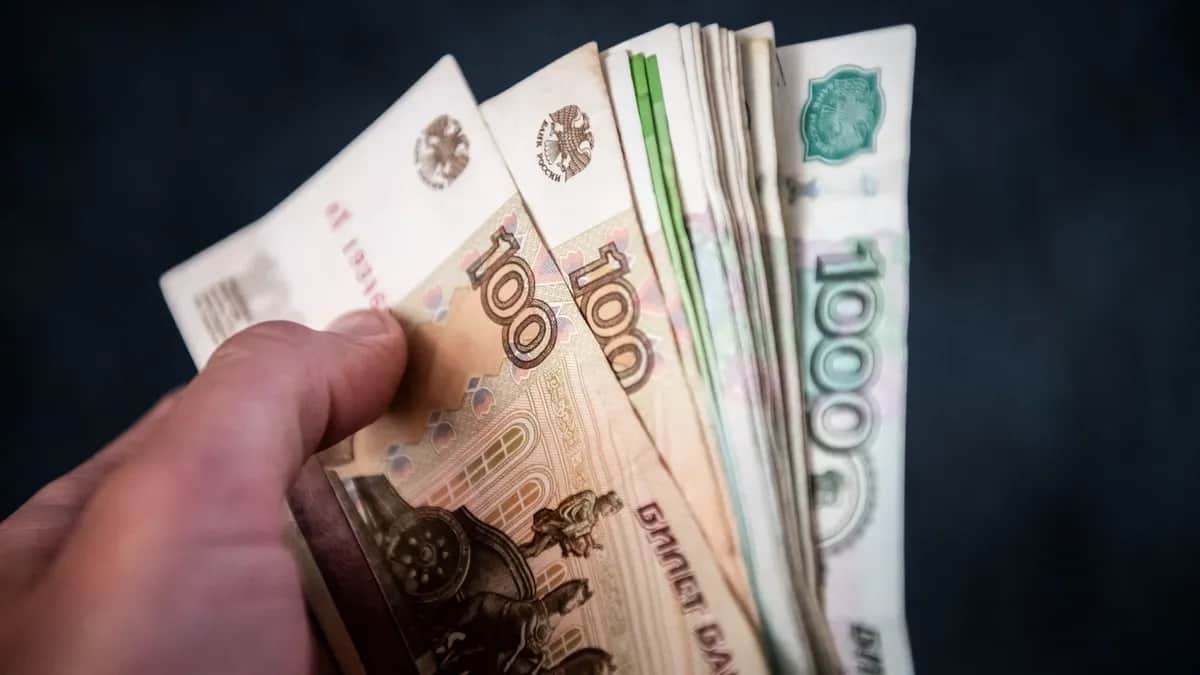
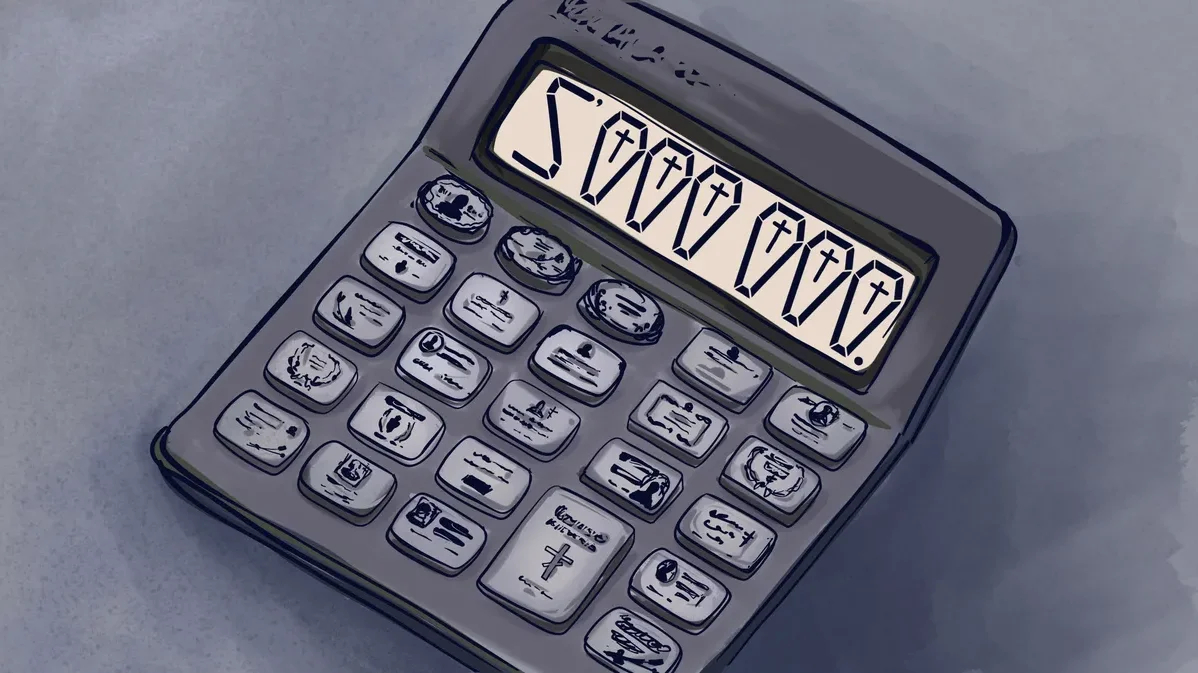
The amount of cash in circulation in Russia has been steadily growing since Moscow unleashed its full-scale invasion of Ukraine. In June, this number broke an all-time high by reaching 17.8 trillion rubles (€168.4 billion). Novaya-Europe interviewed experts to find out why people are withdrawing their money from banks, where these trillions are flowing, and what this will ultimately mean for Russia’s economy.
Economist Igor Lipsits points out that this behaviour reflects the Russian population’s general uncertainty: citizens remember the restrictions imposed during previous crises, such as the foreign currency withdrawal limit introduced shortly after the invasion. “People don’t like depending on banks. Having cash means you have money,” Lipsits says.
However, it’s not just regular citizens running to the ATMs in times of crisis to withdraw their savings, Lipsits points out. For example, wealthy Russians who were fleeing Moscow in droves during Yevgeny Prigozhin’s Wagner Group rebellion likely contributed a lot to the increased cash flow.
People take money overseas, cash included. Moreover, Russians who have bank accounts in neighbouring countries, like Kazakhstan, exchange rubles abroad and then deposit this cash in sanction-free banks there, Lipsits says.
The steady growth of cash in circulation, which began even before Prigozhin’s armed coup attempt, is also propped up by the fact that Russia now has two groups of people who have become much richer: families of service members and draftees.
Different groups of Russia’s population behave differently when it comes to money, Lipsits notes.
“Poorer ones prefer cash even when they get paid directly into bank accounts. Russia now pays out huge amounts of money to draftees and their families. These generally are poorer people,”
the cash for the occupied territories can only account for about 150–200 billion rubles (€1.4–1.9 billion) out of the total amount.
However, we also need to take into account the enormous public spending, which is likely allocated through banks. In 2023, the four recently occupied regions of Ukraine are meant to receive 410 billion rubles (€3.8 billion) from the federal budget alone, which does not take into account money transfers from other Russian regions. Korzhenevsky notes that these public payments go to numerous state contractors, who can move some of the money back into Russia.
However, there’s still no explanation for about a trillion rubles (€9.4 billion): this money could have been cashed in to finance the Wagner Group and other military expenses, Korzhenevsky believes.
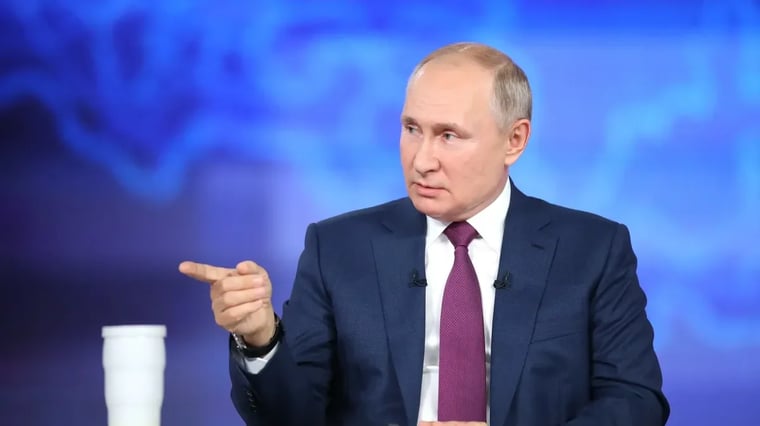
Vladimir Putin conceded that Russia in total transferred more than 276 billion rubles (€2.6 billion) to Yevgeny Prigozhin’s structures in a year, which was spent on salaries, insurance payouts for the mercenaries, as well as contracts of Prigozhin’s Concord Catering company, which was in charge of army provisions. At the same time, Prigozhin himself defended the presence of 6 billion rubles (€56.7 million) seized from his office, saying that the Wagner Group had been exclusively using cash to settle its accounts for more than 10 years.
Imbalance incoming
Both experts believe that the current trend of overly saturating the economy with cash leads to accelerated inflation. Korzhenevsky emphasises that the problem does not lie with cash as such. Its share in the total money supply remains the same — around 20%. However, the high public spending drags the non-cash volumes up along with it.
The risks of excessive money printing can potentially put the inflation rates higher than what the Central Bank forecasted. The Rosstat, Russia’s national statistics agency, data shows that the inflation already accelerated its pace in the past few weeks and reached 3.39% since the beginning of the year. The Central Bank itself put the inflation projections around 4.5–6.5%, but increased the lower mark to 5% in July.
Ordinary people always feel the inflation is higher than it actually is in their day-to-day lives, which spurs them to spend their savings as quickly as possible, especially what they have in cash, Lipsits explains.
All these factors combined threaten to throw the Russian economy off balance, the experts warn.