On borrowed time
How Transnistria is coping without the transit of Russian gas via Ukraine

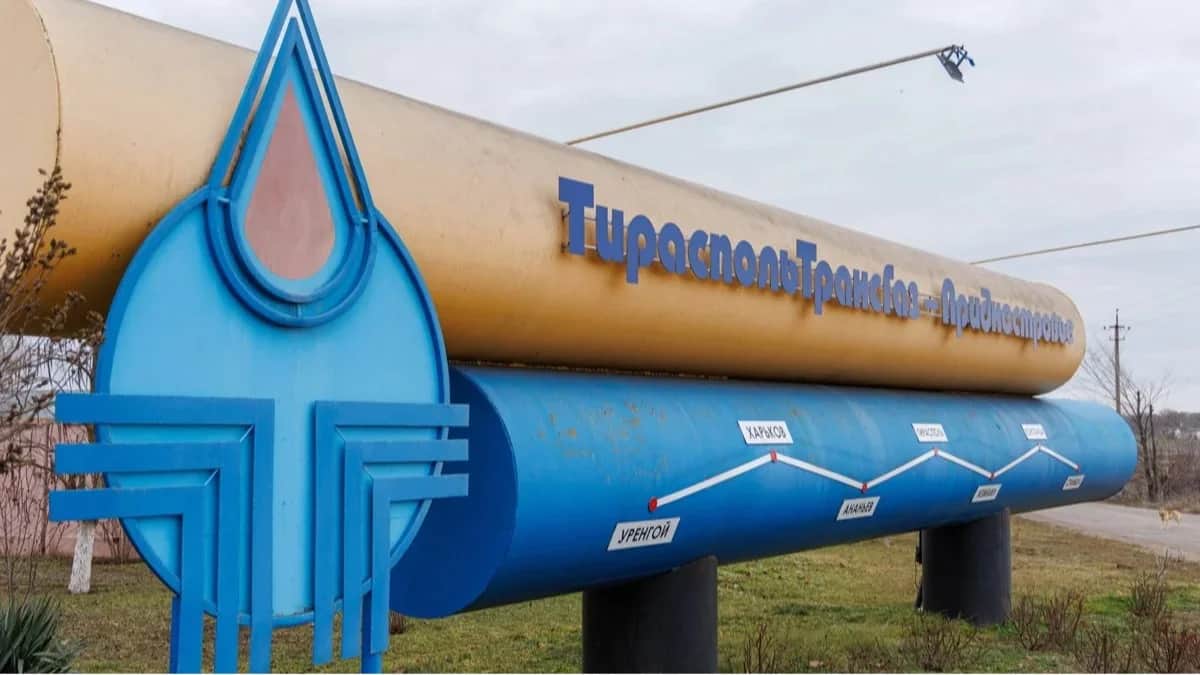
The self-proclaimed republic of Transnistria in eastern Moldova has lived with an energy crisis and strict austerity for almost a year following Ukraine’s decision to halt the transit of Russian gas across its territory — supplies that for three decades flowed into the region free of charge and underpinned both the local economy and the pro-Russian political system.
The regional economy is living from one gas shipment to the next: any disruption in payments or delay in checks by European banks immediately turns into the risk of a renewed energy crisis for the entire region.
The EU offered a €60 million aid package, tied to conditions including democratic reforms, improvements in human rights, and gradual tariff increases for households and industry. In Tiraspol, the offer was largely ignored.
After gas supplies were cut off, Chişinău proposed purchasing fuel for the region on the European market, but Transnistria’s de facto authorities refused. On 10 January, Transnistrian leader Vadim Krasnoselsky travelled to Moscow, where he announced that Russia would provide the region with gas as “humanitarian aid”.
Soon afterwards, it emerged that the Moldovan company Natural Gaz DC had signed a contract with Tiraspoltransgaz. Arkady Vikol, a co-owner of Natural Gaz DC, said the company planned to buy two to three million cubic metres of gas per day on European exchanges, generating around 3 million Moldovan lei per day (€150,000) in daily tax revenues for the Moldovan budget.
Chişinău responded that, under the law, only Moldovagaz was authorised to supply gas to the region. A compromise followed: Moldovagaz would deliver the gas, sourced from Hungary’s MET, and payment would be made via a Dubai-based company. Transnistria says the purchases are financed by a Russian loan, though the terms of that loan have not been disclosed.
At the same time, the EU offered a €60 million aid package, tied to conditions including democratic reforms, improvements in human rights, and gradual tariff increases for households and industry.
In Tiraspol, the offer was largely ignored. In November, Krasnoselsky criticised it during a meeting with the Dutch ambassador, Fred Duijn, saying such “aid” could not be accepted under what he described as “onerous conditions”, and suggesting that the money be used instead for wastewater treatment facilities in Chişinău and other cities — “because sewage ends up in the Dniester.”
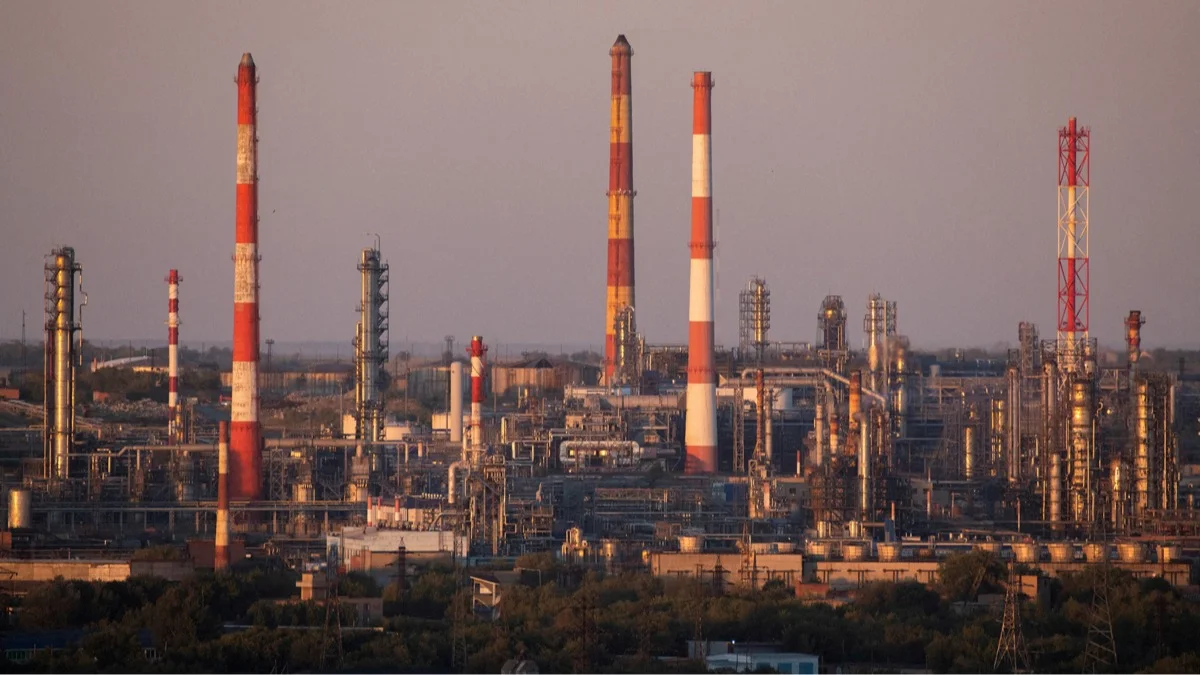
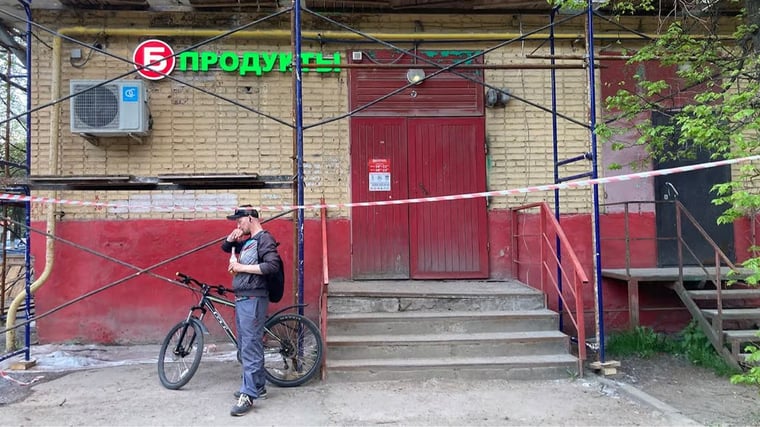
Gas stations closed for weeks at a time, hot water was cut across towns for “maintenance” over the summer, and factories were periodically idled.
Transnistria’s reliance on cheap energy had long masked the region’s structural weaknesses, offsetting low wages and inflation.