Russia has prosecuted at least 66 ‘Satanist propaganda’ cases since last year’s ban

At least 66 administrative cases have been opened against Russian citizens for displaying “satanic” symbols since the country’s Supreme Court designated the fictitious “International Satanist Movement” an “extremism organisation” last July, according to a tally by Novaya Gazeta Europe. At least one person has already received a criminal conviction on such charges.
More than 50 of the 66 cases catalogued by journalists stemmed from social media posts.
In a typical case last December, a court in Astrakhan sentenced a local resident to three days in jail for posting a pentagram on social media with the caption: “There's no difference between communism and Satanism.” He was also found guilty in two other administrative cases, one for displaying "extremist symbols” and another for distributing “extremist materials”, after changing his profile picture to a symbol of the Slavic deity Svarog and posting an image with an antisemitic slogan. He received an additional three days in jail for each of those offences.
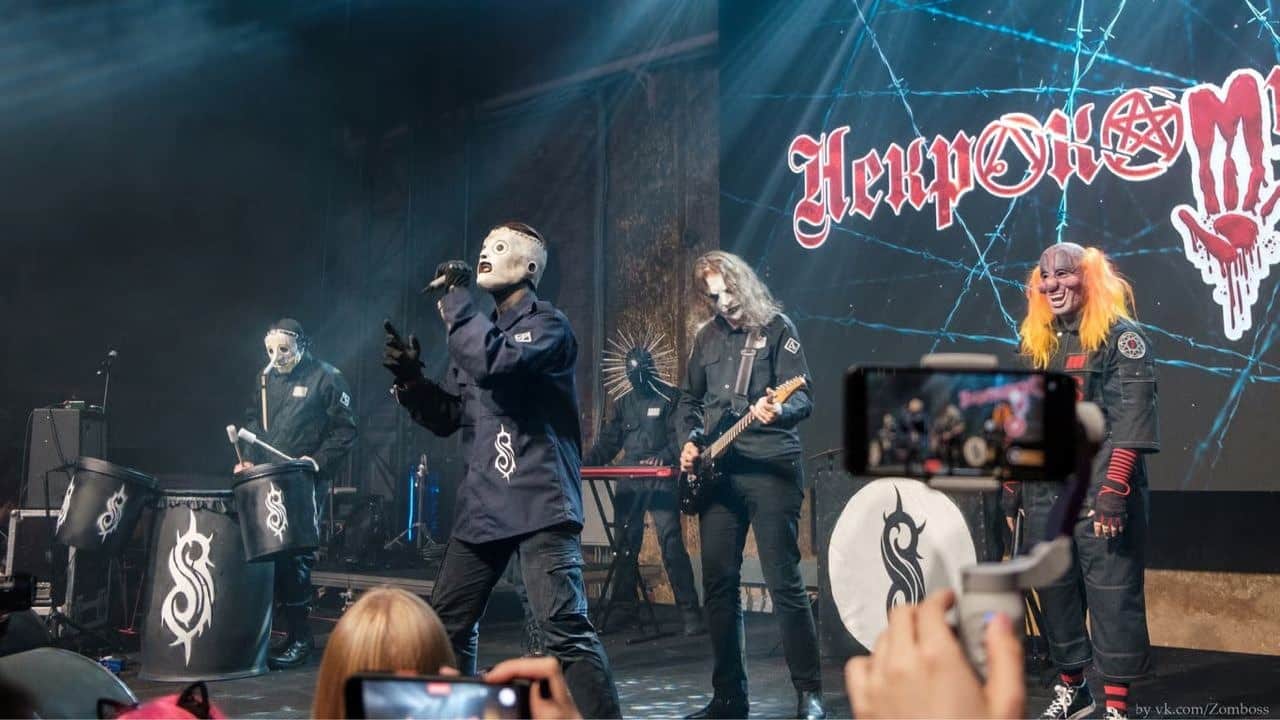
Outside of the social media posts, nine cases were brought for displaying “satanic” symbols in public places, five for selling items bearing such symbols, and one for performing a ritual.
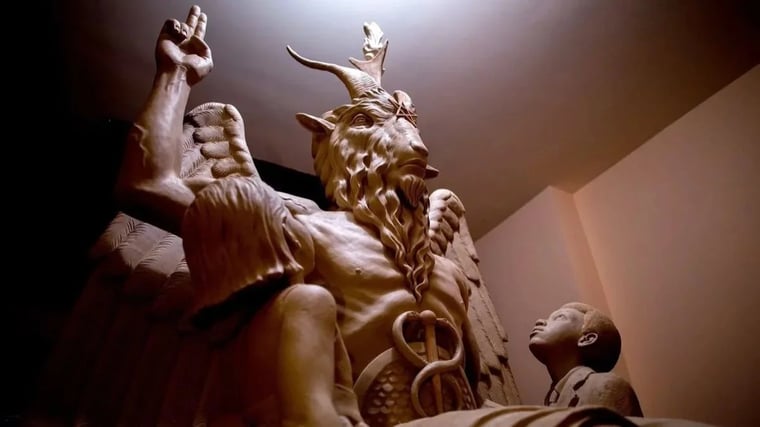
Across the 66 cases, courts identified “satanic symbolism” in pentagram imagery (45 cases); depictions of the occult deity Baphomet (27); inverted Christian crosses (8); the number “666” (3); the septenary sigil, a symbol associated with the number seven (2); and the word SATAN (2).
In April, the first Satanism-related criminal conviction for displaying "extremist symbols" was handed down: a Voronezh resident was sentenced to one year of corrective labour for posting a photograph of Adolf Hitler on VKontakte alongside a selfie in which he wore a hat and hoodie featuring a pentagram. He had previously faced an administrative charge for a similar offence.
In at least 51 cases, defendants were fined between 1,000 and 2,000 rubles; in four cases, fines ranged from 3,000 to 5,000 rubles (€35–€58). Six people received administrative arrests lasting between three and 14 days, and one was ordered to perform corrective labour. In six cases, related items were confiscated; in five, those convicted were ordered to destroy possessions bearing “satanic” symbols.
Last December, a resident of Yeysk in the Krasnodar region was sentenced to 50 hours of corrective labour for posting photographs of his tattoos, deemed to feature “satanic symbols”, on social media. The court ruling noted that “the object of the administrative offence” had been confiscated, without specifying what exactly that was.
At least one conviction in a “Satanism propaganda” case has been overturned on appeal.
Last December, a court in the Arkhangelsk region fined a prison inmate 1,000 rubles (€12) for wearing a pentagram-patterned scarf inside the facility. The ruling was later overturned.